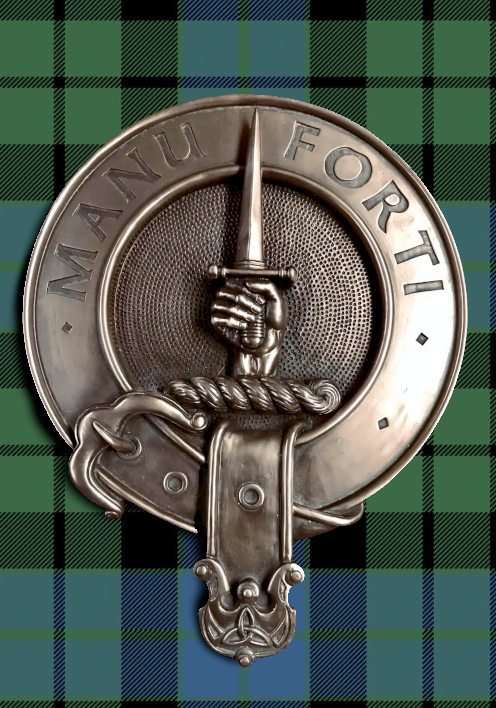
At a glance...
- Clan Motto:
- Latin: Manu Forti (Strong Hand)
- Gàidhlig: Bi Treun (Be brave/strong/sturdy)
- Slogan (sluagh-ghairm): Bratach Bhan Chlann Aoidh ("By the" White Flag "of" Clan Mackay)
- Pronouncing:
- Officially: Rhymes with Sky or High and no capital K - Mackay
- In the United States: Most commonly pronounced to rhyme with Hay or Say and capitalized K - McKay
- How you pronounce it (especially if your family says it a particular way) is your own.
- Crest Badge: As seen in the image, a hand holding a dagger or dirk aloft in the traditional crest badge belt, with the motto "Manu Forti"
- Plant Badge: The Greater Bullrush / The Cat-Tail (typha latifolia)
- Homeland: Northwest Sutherland in the Highlands, traditionally called Strathnaver
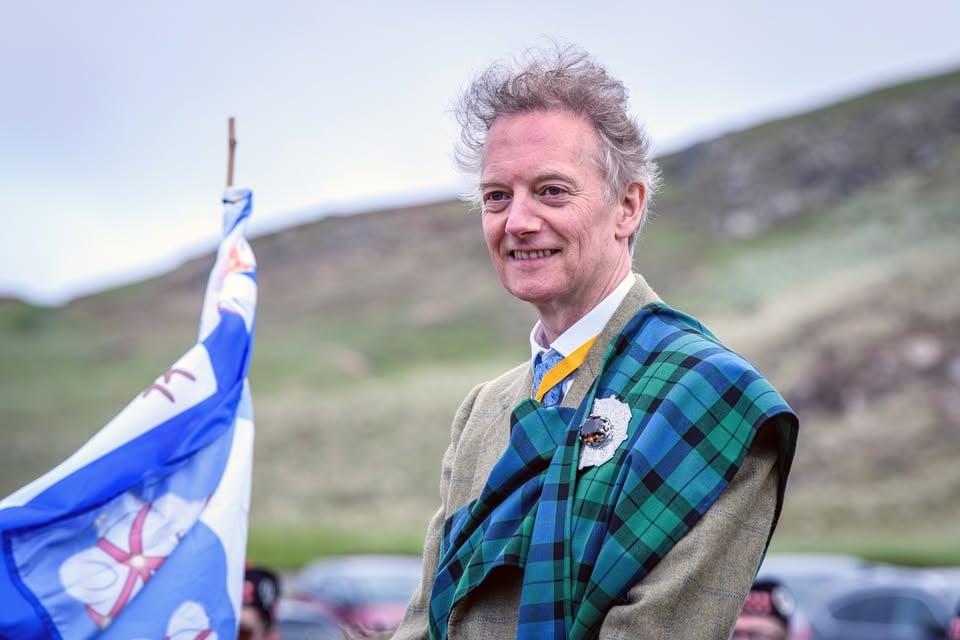
Our Chief
The Right Honourable Aeneas Simon Mackay, 15th Lord Reay, Baron Mackay van Ophemert en Zennewijnen, Chief of Clan Mackay
Tartans of Clan Mackay
Below are the major and commonly available tartans of Clan Mackay.
There are a handful of additional tartans as well but are either extremely uncommon, never received official recognition from the chief, or are registered to a single individual. Though we share the "government colors" (black, blue, green) like several other clans with a deep military history - we don't wear the "Black Watch" (which has the "double thin black stripes" of Clan Campbell) as sometimes advertised.

Mackay Modern
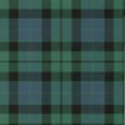
Mackay Ancient
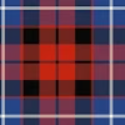
Dutch Mackay
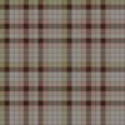
Strathnaver District
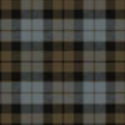
Mackay Weathered
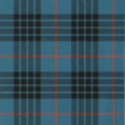
Morgan / Blue Mackay
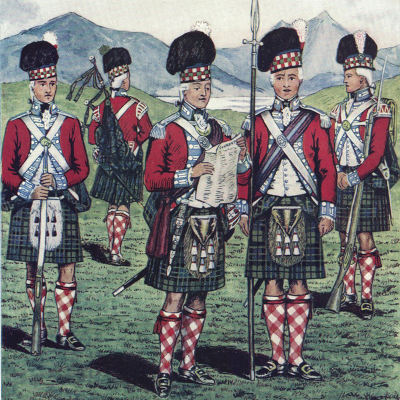
Regarding the Mackay Ancient Tartan
The Reay Fencibles (“Mackay’s Regiment”) was a Highland regiment raised in Mackay Country during the wars against Revolutionary France. Serving from 1794 to 1802, the regiment trained at Fort George and later deployed to Ireland during the Rising of 1798.
Of roughly 800 original recruits, more than 200 carried the surname Mackay, and the regiment was heavily Gaelic-speaking. The Reays wore the tartan pattern now commonly known as “Mackay Ancient.”
Disbanded after the Treaty of Amiens, many veterans returned to the Highlands while others entered newly raised Highland battalions that continued the Napoleonic Wars, including the 2nd Battalion of the 92nd Regiment of Foot (Gordon Highlanders) or the 93rd Regiment of Foot (Sutherland Highlanders).
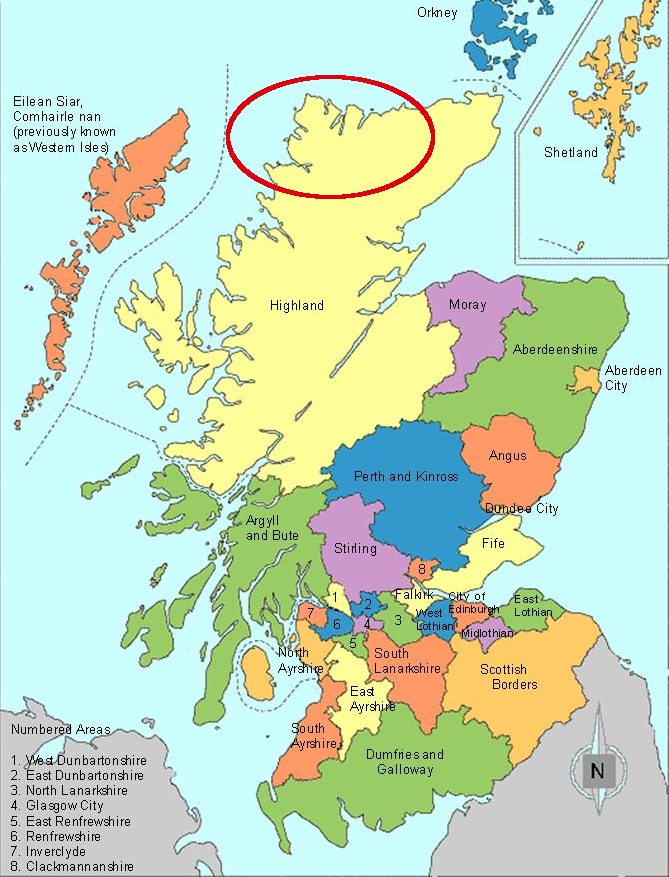
Where are we from?
Mackays hail from all over Scotland and Northern Ireland, and today can be found throughout the world, but our traditional homeland is Strathnaver (Srath Nabhair). This ancient region lies in the far northwest of what most people now call Sutherland (Cataibh), within the modern Highland Council region of Scotland.
Strathnaver is still sometimes referred to as “Mackay Country” (Dùthaich Mhic Aoidh).
The parishes of Farr (Fàrr), Tongue (Tunga), Durness (Diùranais), and Eddrachillis (Eadar dha Chaolais) are considered the heart of old Strathnaver.
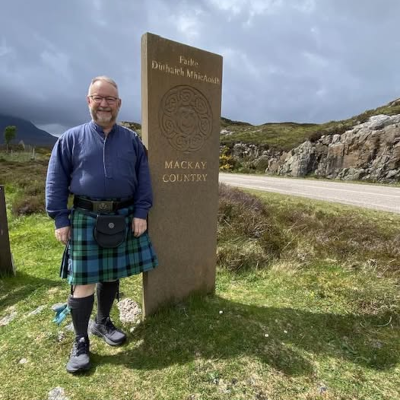
Mackay Country (Dùthaich Mhic Aoidh)
Should you travel to that part of Scotland you can find one of the half-dozen "Boundary Stones" shown in the image (one of our members sporting Mackay Ancient). These impressive stones mark the traditional borders of the lands of the Lord Reay/Chief of Mackay/region of Strathnaver.
The region itself was heavily impacted by the events of the Highland Clearances. Depending on your source, Sutherland was one of the most impacted areas, and in terms of brutality, percent of population displaced/homes burned, and severity of events - Strathnaver ranks amongst the top of the areas that felt it most keenly. 430 families (roughly 2000 people) from Strathnaver and Brora alone in 1814 - The Year of the Burnings.
A button is provided below to YouTube, tour guide and influencer Bruce Fummey filmed it in and around Mackay Country and shows excellent footage of the lands, museum, and even mentions one of our own (Margaret Mackay).
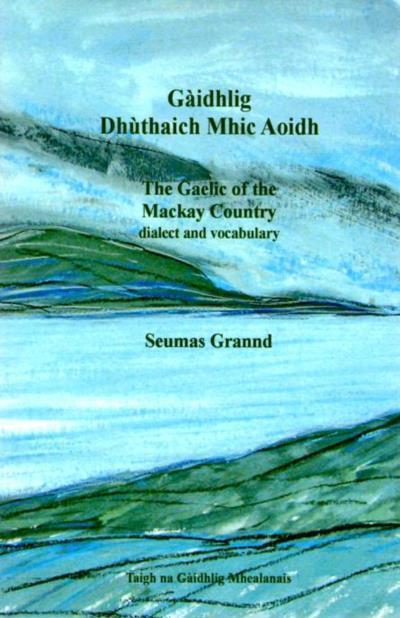
Language
Strathnaver is also associated with a critically endangered dialect of Scottish Gaelic known as “Mackay Country Gaelic” (Gàidhlig Dhùthaich Mhic Aoidh). This area is part of the Gàidhealtachd, the historic Gaelic-speaking parts of Scotland, rather than the broader modern and often loosely applied idea of “the Highlands.”
Owing in part to centuries of Norse influence across the north coast and surrounding regions, many local people historically also spoke forms of Scots (a language closely related to English). As a broad generality, the farther west one travelled in Mackay Country it was Gaelic speaking and further east was Scots speaking.
For folks that may not have encountered "Scots" (or Scots Leid) or "Gàidhlig" (Scottish Gaelic) before the below buttons should provide you with a video that can help illustrate the differences. Scotland's native and official languages (Gaelic, Scots, English, and British Sign Languages) are a politically / historically / culturally charged topic.
Gàidhlig (Scottish Gaelic)
Celtic Language Family (shares the roman alphabet and some loan words but very different from English or Scots)
"Long-briste" (Shipwreck) - a poem by Marcas Mac an Tuairneir
Scots Leid (Scots)
Germanic Language Family (a cousin to English with unique vocabulary and different grammar rules)
"I'm no havin' children" - a poem by Len Penny